My Field Guide to EDC and Emergency Preparedness
“It’s wiser to have a sword you don’t need than to need one you don’t have.”
Preparedness isn’t about fear—it’s about mobility, awareness, and capability. In a world where infrastructure can fail overnight, having the right tools on you—and knowing exactly how to use them—can be the difference between panic and control. Do not interchange EDC and Emergency. These are 2 different terms.
I want to share my system, built from years of experience, hundreds of trips, and real-world testing. Take it or leave it—this is what works for me.
1. Mobility: The Core Principle
If there’s one thing I’ve learned, it’s that mobility is survival.
Whether it’s a power outage, civil unrest, or a natural disaster, being able to move fast is more important than having a perfectly stocked shelter.
That’s why all my setups—from clothing to EDC to bug-out—prioritize speed, efficiency, and readiness over bulk or theory:
- Clothing: your first layer of protection. Do not underestimate this.
- EDC (Everyday Carry): essentials always on your body. Your daily routine.
- EDC Backpack: tools that extend your capability, very close to EDC on your body, just an extension.
- Bag Out Bag: backup for worst-case scenarios you regularly don't need.
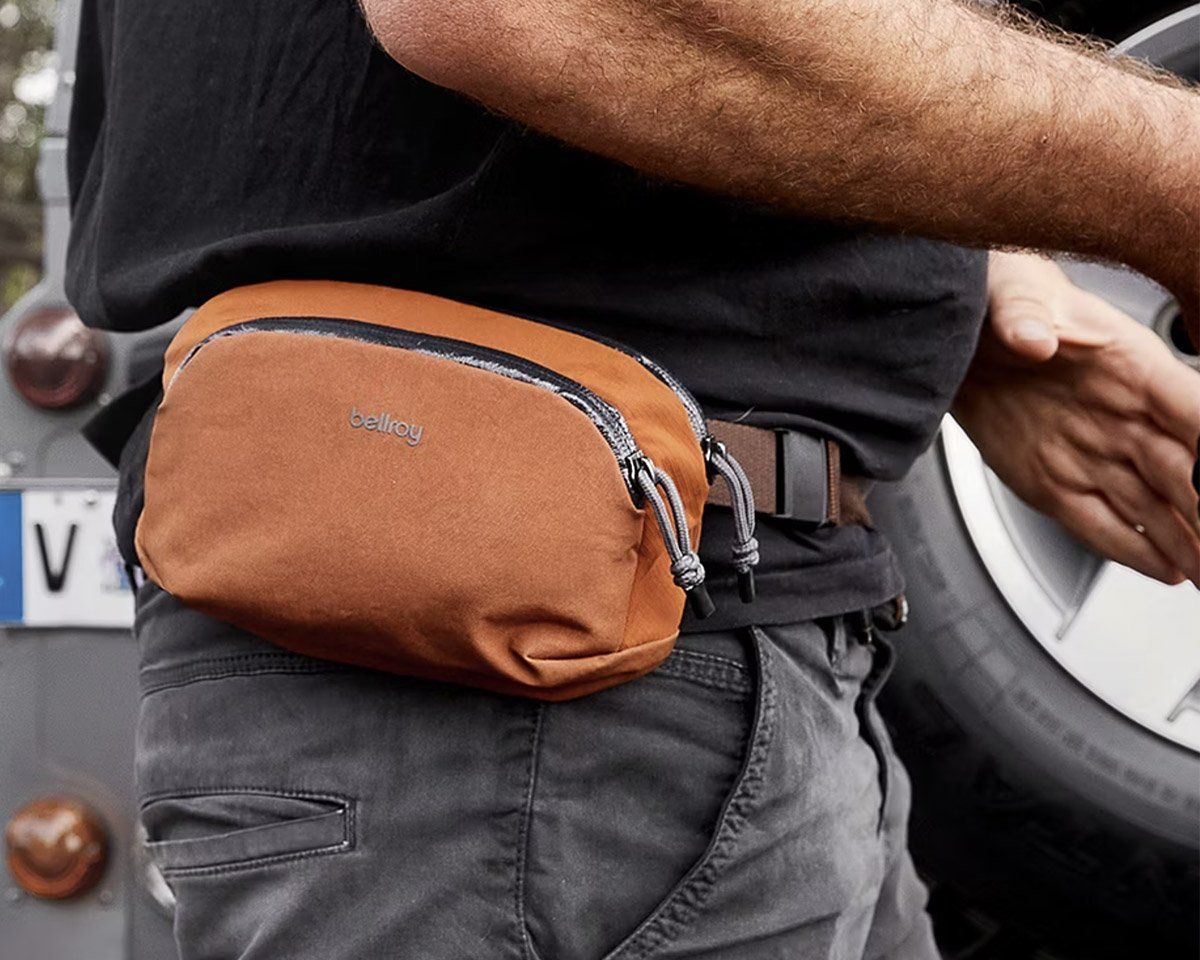
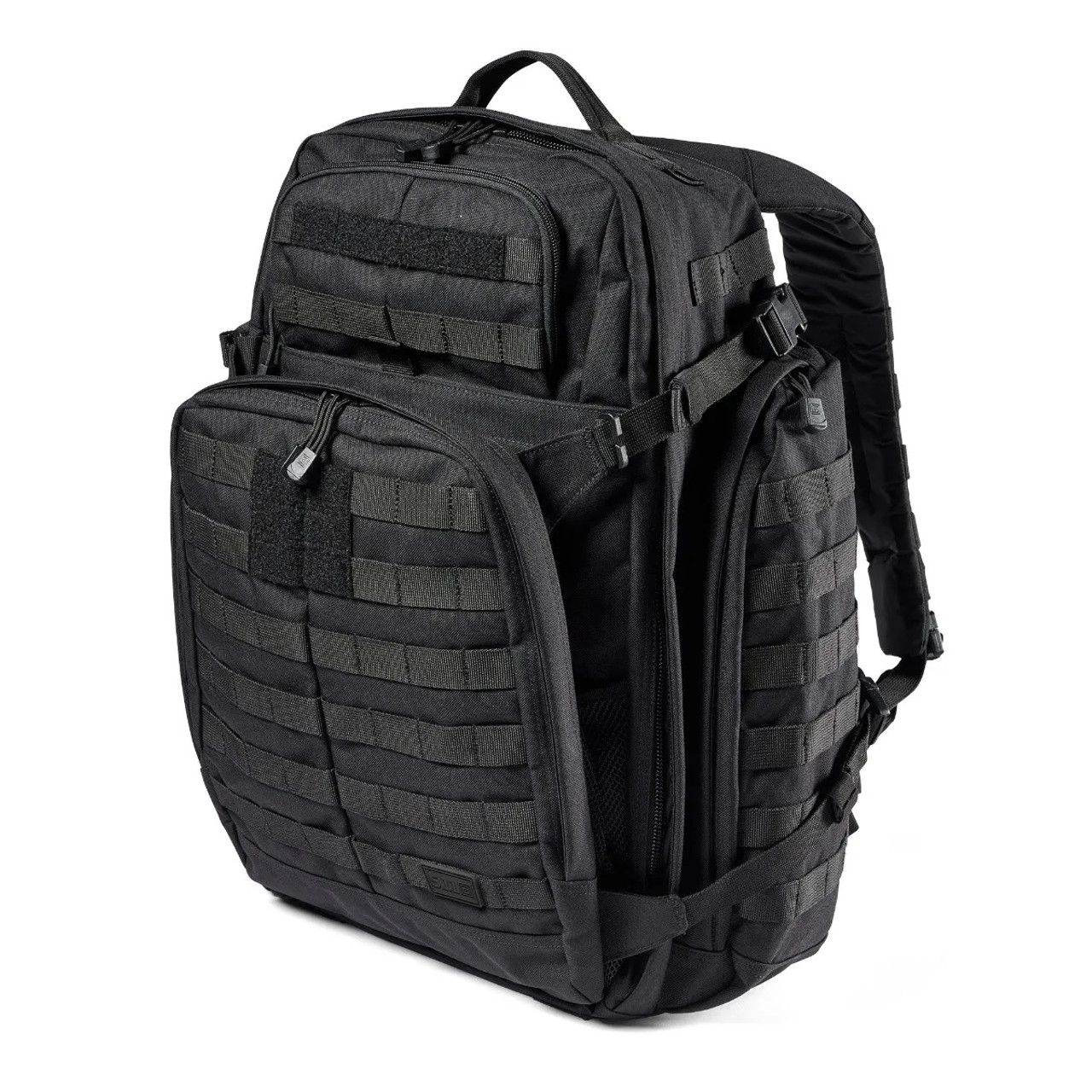
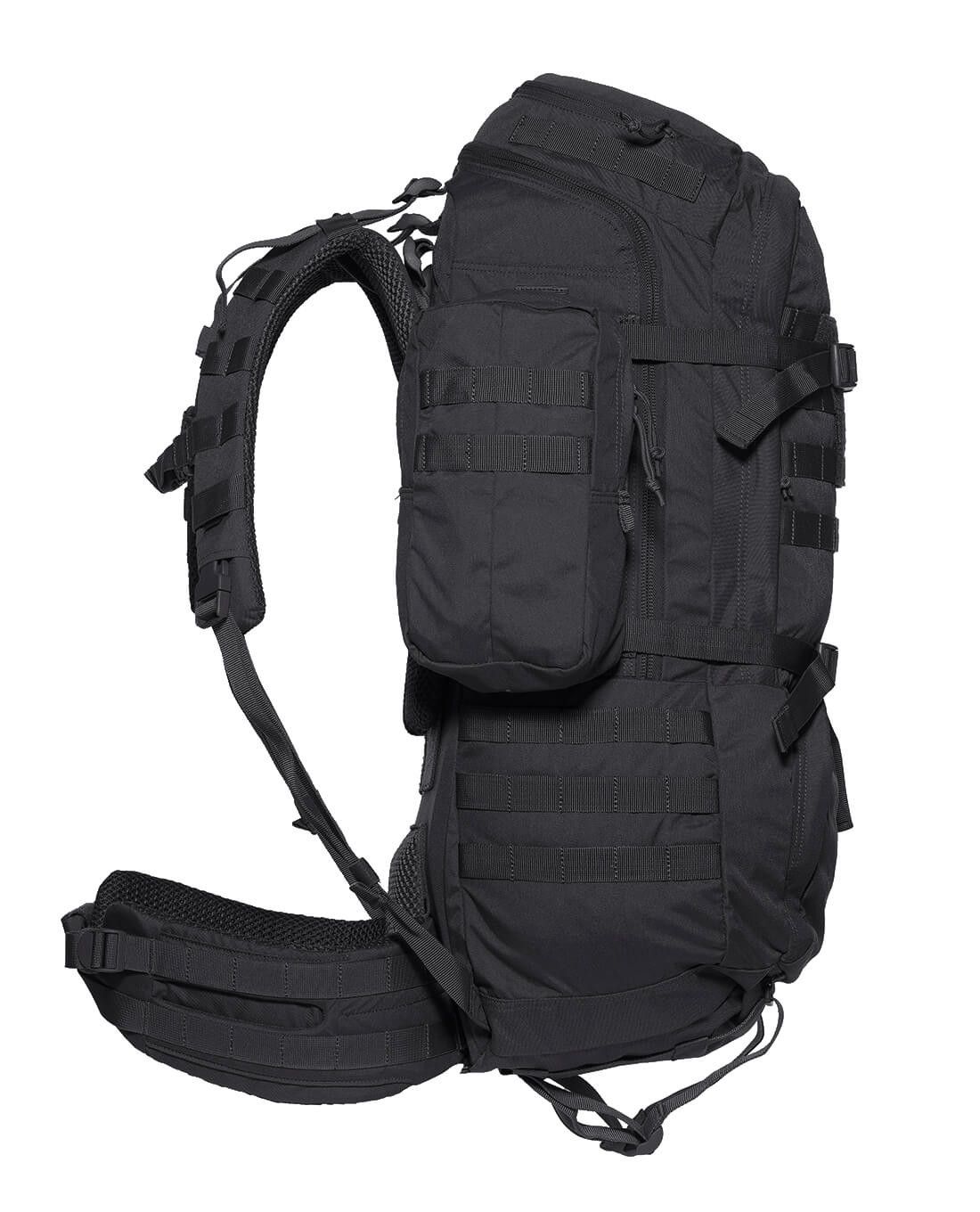
| Fanny pack | EDC | Bug-out |
|---|---|---|
 |
 |
 |
Forget bunker fantasies; mobility is your insurance.
2. Power, Communication, Documents
When electricity fails, panic spreads fast. I always assume there will be no power, no network, and no quick resupply:
- Power banks: up to 27,000mAh (airline-friendly)
- Satellite communication: Garmin InReach for SOS and tracking
- Bluetooth communicators: for offline comms
- Essential documents: cash in USD, passports (all of them from all countries), IDs (all of them from all countries), birth certificates (all of them from all countries), citizenship papers, agreements (apostilled and ideally translated to English) to use internationally.
Mobility is physical and bureaucratic. Without documents, you can’t cross borders, buy flights, or secure life on the other side of the planet.
3. Insurance and Priorities
You can only insure a house while the roof isn’t on fire.
Physical shelters are overrated for most situations—your best insurance is a vehicle with fuel to reach your pre-defined location and a system that keeps you mobile.
Where, when, and how are personal decisions and plans; I won’t share those details.
4. Clothing: Your First Survival Layer
Wrong clothes can kill you in three days - depending on a location.
My system focuses on layers, protection, and functionality, eliminate military aesthetics:
Head: cap and beanie
Eyes: sealed goggles in sand, wind, or dust (mostly in Bag Out Bag - very location specific)
Neck/Respiratory tract: shemagh — sun, cold, wind, sand protection; can serve as towel or water filter
Hands: sturdy leather/Nomex gloves — protect against hot, sharp, and cold
Feet: dry socks, solid laced shoes — wet or blistered feet = immobility = potentially fatal
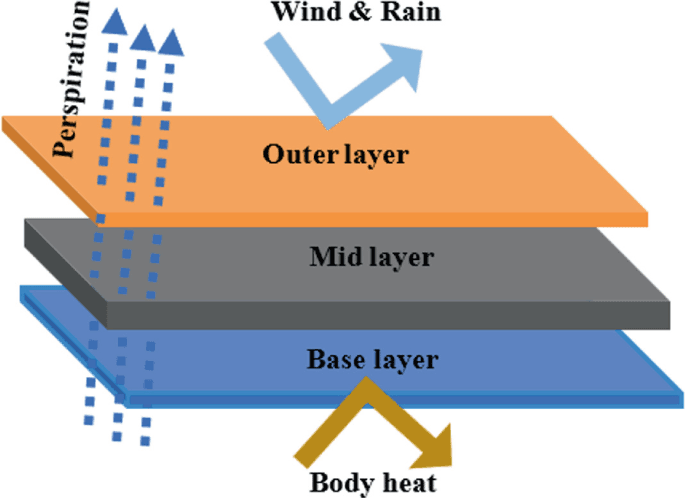
Layering example:
- Layer 1: base (thermal shirt, underwear, socks)
- Layer 2: insulation (mid-layer jacket, small but warm)
- Layer 3: shell (wind proof jacket)
- Layer 4: tarp/waterproof poncho that is multifunctional
5. My Approach: EDC vs. Emergency Bag
Separate emergency bags for each individual sound good, but they fail in practice. People forget what’s inside. Gear you don’t know or can’t access is dead weight. The Bag Out Bag is not meant for daily use. Because it’s not handled regularly, it’s easy to forget what’s inside. That’s why I prefer maintaining a single, well-packed Bag Out Bag for the whole family. Trying to have one for each individual introduces redundancy and increases the risk of leaving behind important items—taking only one or two of three bags, for example—leaving you without gear you didn’t even realize was in another bag.
- My EDC backpack is the foundation: light, familiar, always with me, every pocket known. Losing it is not an option.
- Bag Out Bag: optional, heavier, contains extras, first to ditch if speed is needed. Essentials can be transferred to EDC if necessary.
- Family setup: one central Bag Out Bag + each person’s personal EDC. Avoids confusion, redundancy, and forgotten items.
EDC-on-body vs. EDC-in-backpack is a personal preference. The principle: gear must stay close, accessible, and familiar. Comfort with your tools is a perishable skill - requires regular training.
6. EDC On-Body Essentials
Last line of defense, always close to you:
- Phone(s) (multiple pre-installed eSIMs)
- Compact pocket charger (~10,000mAh)
- Passport/ ID cards
- Firearm / knife / pepper spray
- Cash
- Watch with compass
- Flashlight
Emergency case scenario enhancements:
Easy to enhance your EDC with "fanny pack" in case of emergency with following:
- Hardware wallet(s)
- other passports
- USD cash (~$10k for a family, enough for flights/acommodation if needed)
7. EDC Backpack Essentials
The backpack combines daily familiarity and emergency readiness: This one is great - up to 62liters (if needed, can be carried for extended periods, works as a cabin-bag too. There are smaller versions too, maybe a good idea for other family members EDCs (women).
Tools & Gear:
- Multitool: Leatherman Supertool 300M (heavy-duty, precise)
- Knifes:(compact, tough)
- Shears: foldable, powerful for fabric/tubing/metal
- Gloves: leather/Nomex mix
- Flashlight: compact, 700+ lumens, rechargeable
- Knife sharpener
- Shemagh: multipurpose
- Emergency blanket: lightweight, compact
- Tape / Paracord / Zip Ties
- Magnifier: splinters & small injuries
- Monocular: 10x42, reconnaissance
- Powerbank & Dongle: electronics support
- Laptop: lightweight, functional
- Fire starter: lighter or waterproof matches
- Clamps
- Tourniquets
Medical:
- “Boo-boo kit” for daily injuries
Emergency case scenario enhancements into EDC backpack:
- Citizenship documents, contracts, IDs, everything that is needed as a legal document
- Gold / silver / portable valuables
8. Bug Out Bag: Emergency Expansion
Covers shared family supplies and non-daily essentials:
Weight principle: max ~1/3 body weight, carried as backpack (max. 30kg/66lbs)
Contents:
- Water & food: flask/bladder, water filter, energy bars, MREs, dried meat
- Clothing & shelter: layers, poncho, sleeping bags, sturdy shoes, goggles
- Med kit: antibiotics, antihistamines, pain killers, adrenaline, tourniquets (2–4), sterile pads, tweezers, syringes, needles (pretty extensive med kit and big part of the bag-out bag, rather to have more supplies than less).
- Tools: camlights, scissors, extra blade, tape, paracord, paper notebook & pencil
- Navigation / Communication: Garmin InReach
Note: If you need to leave the Bug Out Bag behind, simply transfer the essential items into your EDC backpack, prioritizing based on the situation and conditions.
9. Travel and Organization
Optimized for travel: max. 55-liter backpack (55×35×25 cm), modular pouches for EDC. Organization is critical. Every person has own EDC. Always think that bug-out bag might be left behind. However, EDC backpack never should left behind.
Clothing by temperature:
- 20°C: 5 T-shirts, 5 underwear, 8 socks, 2 shorts, 2 pants
- <10°C: add thermal jacket that is small and can be packed into small bundle
- ~0°C: combine layers (base + jacket + wind-stopper - mentioned poncho previously)
Shoes: one pair on feet, one in backpack. Fit & durability > aesthetics.
Poncho: ripstop, can cover backpack or form temporary shelter.
10. Air Travel and Security
Knives and multitools often go in checked luggage:
- Carry-on only: skip sharp items, bring shears
- Checked bag: Move any EDC items that aren’t allowed in your carry-on into the checked bag—assuming your Bug Out Bag has made it this far with you.
Choice depends on risk tolerance, travel duration, and family setup.
11. Final Thoughts
This system is tested, functional, practical. Not the only possible way—but it works for me.
Priority rules:
- EDC on body/pockets ev.personal "fanny pack" → always with you
- EDC backpack → daily readiness, expandable for emergencies
- Bug Out Bag → enhancement to previous set-up in case "shit hits the fan", first to leave if needed
Guiding principles:
- Simplicity, familiarity, and mobility beat redundancy & theory
- Know your gear, know its location, keep it close
- Preparedness isn’t paranoia—it’s responsibility
- A car with half-empty fuel tank in your driveway is a bad idea
Survival Cheat Sheet: EDC & Emergency Gear
| Priority | Category | Items | Notes / Tips |
|---|---|---|---|
| 1 | EDC On-Body (pockets / fanny pack) | Phone (multi eSIM) | Always charged; accessible |
| powebank (small) | Fast top-up for phone | ||
| Passport / ID cards | Select those valid for the jurisdiction, always be up to date and change as needed | ||
| Cash (currency depends on a jurisdiction) | Mixed denominations | ||
| Firearm / Knife / Pepper Spray | it's up to you | ||
| Watch with compass | Off-line navigation without relying on phone | ||
| Flashlight | Small, powerful, waterproof | ||
| Emergency Add-ons in case of exfil | HW wallet | ||
| other passports | |||
| Extra cash | For mobility & emergencies approx. $10k USD |
| Priority | Category | Items | Notes / Tips |
|---|---|---|---|
| 2 | EDC Backpack | Multitool | Leatherman Supertool 300M recommended |
| Knife | Compact, sturdy, daily use | ||
| Shears | Foldable, heavy-duty | ||
| Gloves | Leather/Nomex mix, heat/sharp/cold protection | ||
| Flashlight | 700+ lumens, waterproof | ||
| Knife Sharpener | dull knife does nothing | ||
| Shemagh | Sun, wind, sand, multipurpose | ||
| Emergency Blanket | Lightweight, compact | ||
| Tape / Paracord / Zip Ties | All-purpose fixes & shelter | ||
| Magnifier | Splinters, small injuries | ||
| Med Kit (Boo-Boo) | Band-aids, antiseptic, painkillers, gloves, tourniquet | ||
| Laptop | Lightweight, powerful | ||
| Dongle / Chargers / Powerbank | Multi-device support | ||
| Fire starter | Lighter or waterproof matches | ||
| Emergency Add-ons in case of exfil | Extra Burner Phone | Privacy & redundancy | |
| gold/silver/small and essential valuables | |||
| Citizenship documents, contracts, IDs, everything that is needed as a legal document | with apostilles and in English |
| Priority | Category | Items | Notes / Tips |
|---|---|---|---|
| 3 | Bag Out Bag (Emergency / Family) | Water (bladder or bottle) | Always accessible; hydration priority |
| Water Filter | Compact, lightweight | ||
| Food | MREs, dried meat, protein bars, high-energy | ||
| Clothing Layers | Thermal, shirts, multiple socks, jacket; pack for temps | ||
| Poncho | Covers backpack, can be shelter if combined | ||
| Sleeping Bags | Lightweight, packs small | ||
| Boots / Sturdy Shoes | One pair, reliable | ||
| Goggles / Gloves | Environmental protection | ||
| Extensive Med Kit | Antibiotics, antihistamines, adrenaline, tourniquets (2–4), sterile pads, tweezers, imodium, blister patches, bug spray, syringes, needles, stiching, desinfection | ||
| Tools | Camlights, scissors, extra blade, tape, paracord, notebook & pencil | ||
| Navigation / Communication | Garmin InReach, compass, | ||
| Notes | Bag Out Bag is emergency only / secondary; first to ditch if speed is required. Some essentials can be moved to EDC. |
Quick Rules & Reminders
- Priority:
- EDC on body
- EDC backpack
- Bag Out bag (secondary, enhancement)
- Mobility first: Always choose speed over weight (dependent on a location, in hostile environments the strategy might be different).
- Familiarity matters: Know your gear, know its location within your luggage
- Layering: Clothing is your first survival tool — feet, hands, neck, eyes, and head matter most
- Redundancy smart: One shared family emergency bag + personal EDCs for each individual beats multiple neglected bags
- Have a plan: without a plan what to do, where to go, what is the strategy, nothing makes sense. You don't want to be sitting ducks. Sitting ducks with or without bag-out bag has the same result.