Driving in Paraguay
Roads, Hazards, Police Checks, and Fines
Traffic in Paraguay hits newcomers like chaos. Cars cut in. Motorcycles zip without lights. Animals wander onto highways.
Step back. The system works, but on its own logic.
Roads surprise with quality outside cities. Major highways stay smooth and well-maintained. Rural routes often impress.
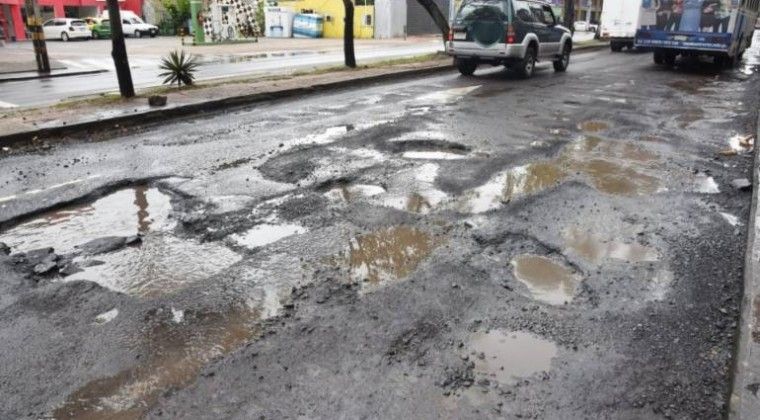
Cities challenge drivers. Potholes dominate. Repairs lag.
The real key lies in mindset. Paraguayans drive with calm confidence. The bold one advances. No rage, just assertion.
This guide covers road realities, top hazards, local driving style, police powers, and fines. Master these. Drive safely and stress-free.
Whether you rent a car or buy one, adapt fast. Confidence plus caution wins here.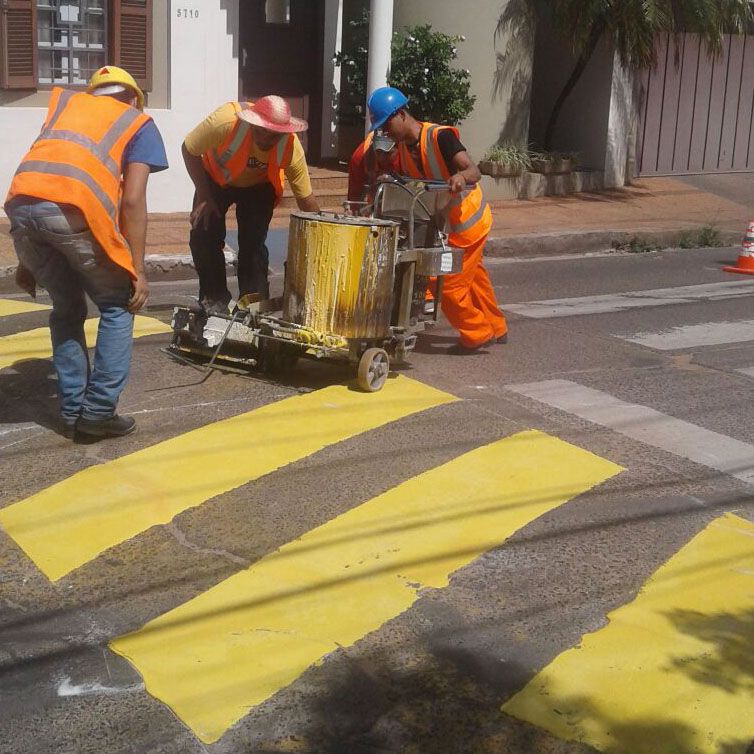
Road Conditions: Better Than They Look
Paraguay's roads vary sharply.
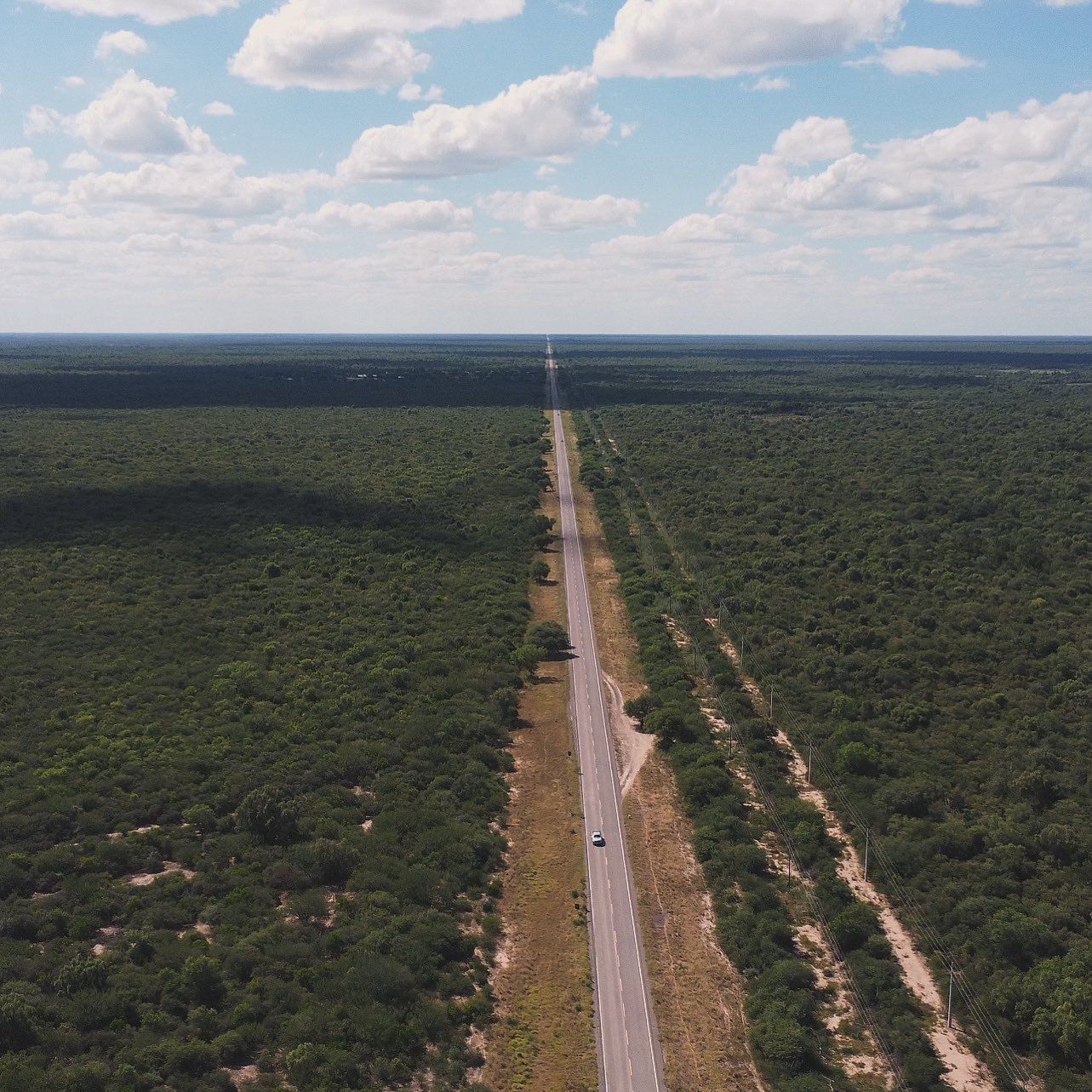
Major highways deliver pleasure. Paved, straight, maintained—they rival neighbors.
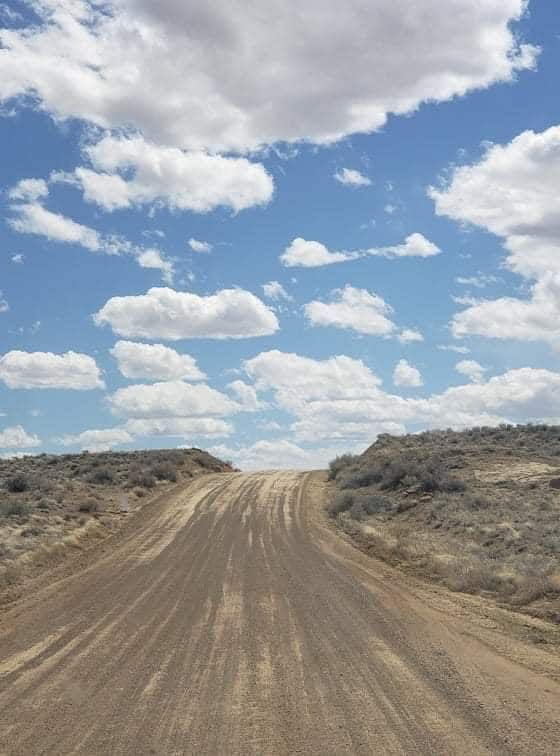
Rural paved roads often surprise positively. Gravel sections handle rain better than expected.
Cities frustrate. Asunción's streets fill with potholes. Repairs start late or never.
Rain transforms everything. Dry dirt tracks turn to mud. Paved roads flood quickly.
Pro tip: Slow down after storms. What looked fine hours ago can trap you.
The Biggest Hazards on Paraguayan Roads
Hazards demand constant attention. Here are the main ones:
Speed Bumps (Lomadas)
Unmarked or poorly signed bumps jolt drivers. They appear suddenly on rural roads or highways. Hit one fast = damage your car.Poor Lighting
Many vehicles lack working headlights or taillights. Night or dawn drives turn dangerous.Slow Trucks
Heavy trucks linger in left lanes. They brake without warning.Potholes
Deep holes scar even main roads. They persist forever.Unpaved Sections
Paved highways abruptly become dirt for kilometers. Dust or mud follows.Animals
Cows, horses, dogs cross freely in rural.Limited Signs and Lighting
Sparse signs and dark roads make night driving tough.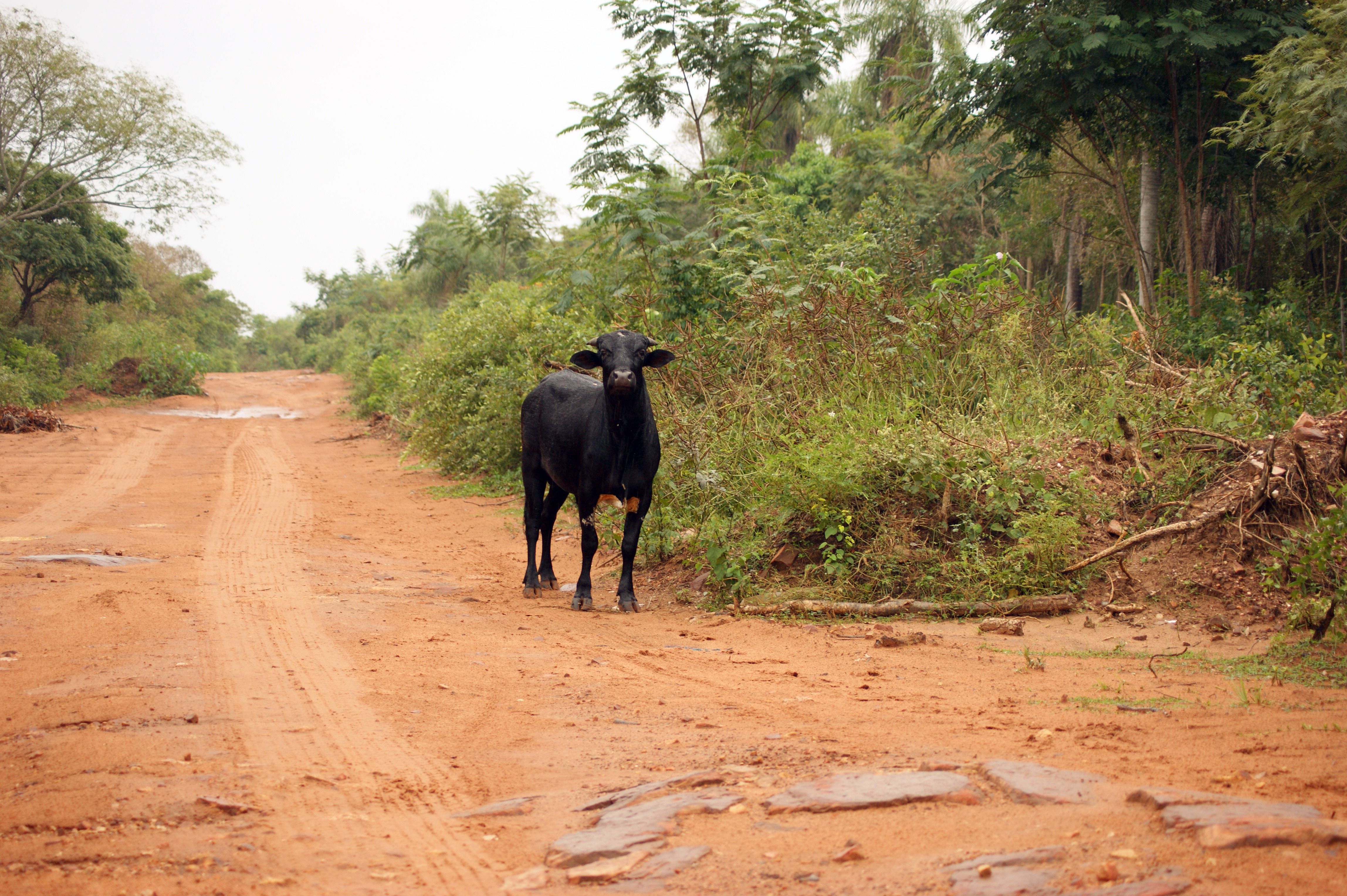
The Paraguayan Driving Logic: Confidence Over Rules
Forget strict European priorities. They fail here. An oposite from Germany.
The rule: The confident driver passes. Calm pushing forward wins.
Examples abound.
You signal to change lanes correctly. A faster car approaches. They expect passage despite arriving later.
Roundabouts turn wild. Drivers enter from all sides. Whoever is more confident goes first.
Why? Many drivers never took formal tests. Licenses once issued quickly without exams. Rules remain unfamiliar, police included.
Drive defensively. Anticipate. Yield often. Stay calm.
In Paraguay, the one who passes holds right, not the rulebook.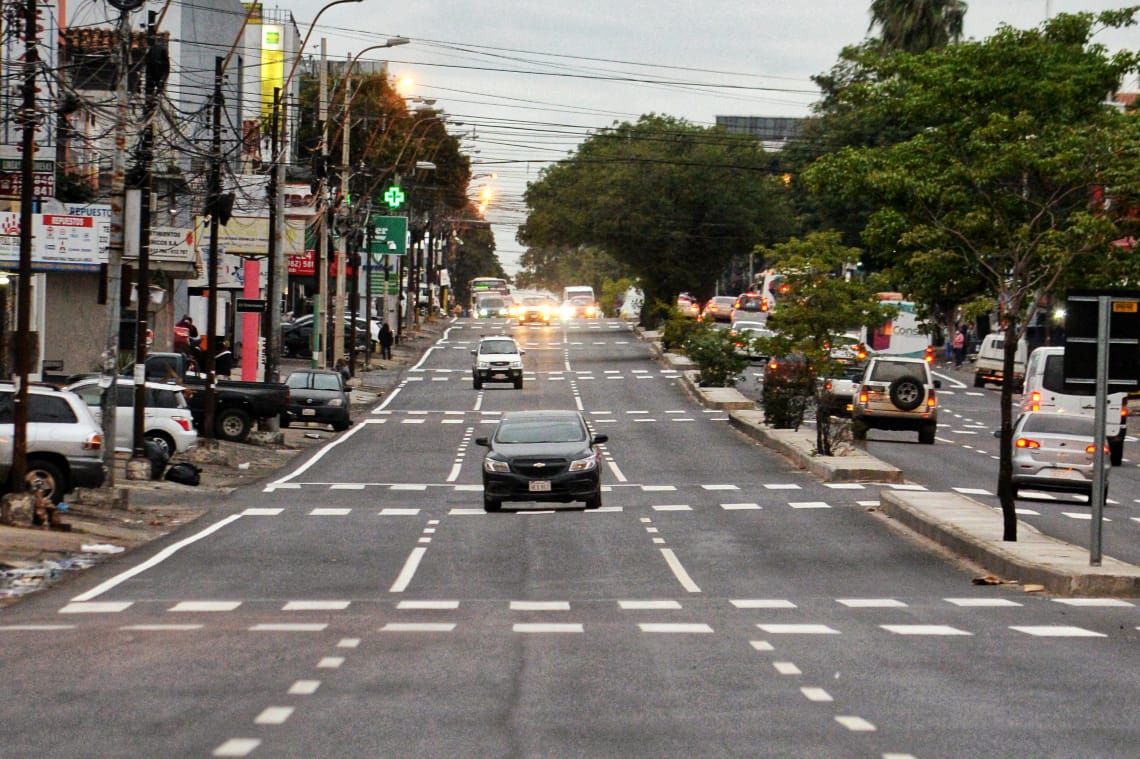
Police Checks: Who Stops You and Why
Four authorities conduct road checks. Know their powers.
Patrulla Caminera
National traffic police. Highest authority on highways. Check speed, lights, belts, documents. They immobilize vehicles.Municipal Traffic Police (PMT)
Handle cities. Focus on parking, lights, local rules. Limited power outside urban areas.National Police
Serious incidents only and DUI.Customs
Border zones. Inspect goods and vehicle papers.
Documents to carry: License, vehicle registration, municipal permit, insurance.
Corruption note: Informal resolutions occur. Many pay small cash to avoid bigger official fines. Pragmatism prevails because it makes life easier. This is the reality.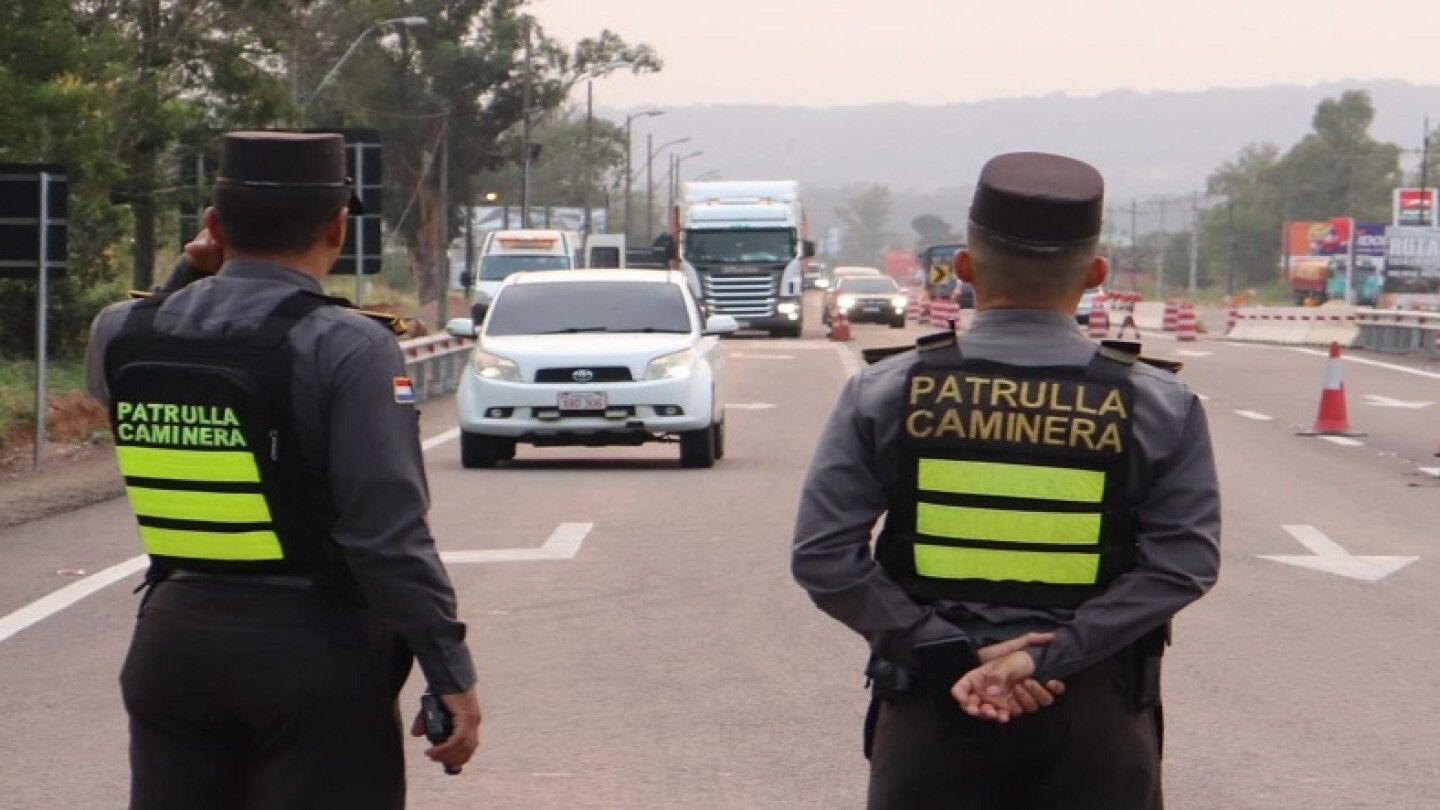
Traffic Fines in Paraguay: What Violations Cost
Fines tie to minimum daily wage (jornal). In 2026, one jornal = 111,000 Gs.
Minor: Up to 3 jornales (∼330,000 Gs)
Serious: 4–10 jornales (∼440,000–1,100,000 Gs)
Very serious: 11–20 jornales (∼1,220,000–2,220,000 Gs)
Common fines:
- No headlights/lights → 4 jornales (∼440,000)
- No seat belt → 6 jornales
- Running red light/STOP → 15 jornales (∼1,665,000 Gs)
- Illegal overtaking → 10 jornales
- Speeding 31+ km/h over → ∼1,200,000 Gs
Alcohol penalties escalate fast:
- 0.01–0.19 mg/l → ∼350,000 Gs
- 0.20–0.25 mg/l → ∼1,200,000 Gs
- 0.26–0.39 mg/l → ∼2,300,000 Gs
- 0.40+ mg/l → Criminal case
Conclusion
Driving in Paraguay rewards adaptation. Roads quality vastly differs. Local logic favors confidence and calm over rigid rules.
Drive defensively. Anticipate moves. Carry at least some documents.
Nothing is stricly enforced. But be prepared to be pulled over anytime - often times for some invented bs. You have to count with it. Corrupted police is a thing demanding to solve the infraction with cash.
Key takeaways:
- Confidence and caution beat aggression.
- Watch for unmarked bumps, potholes, animals.
- Know authorities and carry papers.
- It's good to have a cash on you. Corruption is present everywhere.